Neo-Darwinism: The Current Paradigm
Will mutations produce wings like in angels, in a human being? If you wanted to develop a race of angels, would it be possible to select for a pair of wings? — Theodosius Dobzhansky |

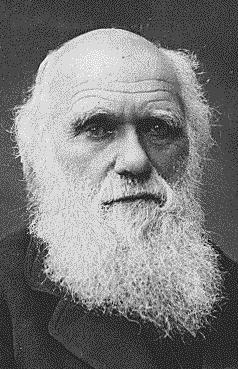 Darwin, courtesy of the Henry E. Huntington Library and Art Gallery |
Genetics
Neo-Darwinism is an attempt to reconcile Mendelian genetics, which says that organisms do not change with time, with Darwinism, which claims they do. — Lynn Margulis (2) Mendel |
According to this paradigm, evolution is driven by chance. Chance mutations affect one or a few nucleotides of DNA per occurrence. Bigger changes come from recombination, a genetic process in which longer strands of DNA are swapped, transferred, or doubled. These two processes, mutation and recombination, create new meaning in DNA by lucky accidents. According to the prevailing paradigm, this is the mechanism behind evolution.
One problem with this story is that it is implausible. It is analogous to saying that a great work of literature such as Moby Dick could emerge from lesser preexisting books, if there were enough typos and swapping of paragraphs along the way. The trouble is, when this process is actually attempted with text, it never succeeds. Only with guidance can random processes lead to meaningful sentences or paragraphs. But plausibility in the current paradigm of evolution is apparently unnecessary. We are told by Richard Dawkins, "The general lesson we should learn is never to use human judgment in assessing such matters" (3).
Ordinary people are under the impression that there are examples in nature which prove that chance mutation and recombination can create new meaning in genetic code — new genes. Yet the alleged examples of the phenomenon do not actually exemplify it. Consider the ability of bacteria to become resistant to antibiotics. Salvador Luria and Max Delbrück proved in 1943 that the resistant bacteria descended from preexisting strains; the genes for the resistance were already available in the gene pool. Although some have disputed this interpretation of their experiments, the phenomenon is now well established. Today we know that bacteria often acquire whole new genes conferring resistance to antibiotics; the genes are imported on "resistance plasmids" (3.5).
Another example of similar "evolution" in eukaryotic cells is described in Renato Dulbecco's The Design of Life. This time the genes for the new characteristic are already present in the organism (4):
...Trypanosomes [are] small eukaryotic parasites that in Africa cause sleeping sickness in humans and some animals. The animal responds by producing special protein molecules—antibodies that bind to the coat of the parasite and stop its growth.... But when the antibodies have almost gained control, parasites with a different coat make their appearance.... When the new antibodies are produced, the second wave of parasites disappear, but yet another kind emerges, with coat molecules different from the first two.The study of this phenomenon has uncovered an amazing organization in the parasite's DNA. Radioactive probes ... have revealed that a hundred or more genes are devoted to coat variation, each gene specifying one kind of coat molecule.... Only one is active at a time.
The moth that has evolved to blend in with the sooty walls and treetrunks of modern industrial cities is another example of evolution in our time. Again, the genes for darker coloring in the moth were already available in the gene pool [but see What'sNEW, 03 Jun 2016]. Yes, there are a few documented examples in which a simple mutation in a bacterium brings about antibiotic resistance, but in these cases it does so by reducing or eliminating the affected gene's function, not by creating a new function. Among viruses, mutations can even alter a coating protein and thereby temporarily disguise the virus (4.5). But again, no new function is created. Such mutations could not drive the evolutionary progress we observe in the fossil record.
Of course, there are many examples of genes that have mutated slightly in the course of evolution without losing their original functions. And other examples, fewer in number, apparently indicate that genes may mutate slightly and acquire different but closely related functions. The globin family of genes are in this category. And in a third category, a handful of examples may indicate that a gene mutates slightly and acquires a wholly new function. These finally seem to be examples in which mutations create new meaning, but we are not sure this third account is accurate. The number of changed essential nucleotides in new genes that supposedly arose this way is still in the dozens at least, whereas the number of possible genes that would differ from a given average-size gene by only half-a-dozen essential nucleotides is enormous, on the order of 10^14. Blindly traversing even this short distance in sequence space so large requires incredible luck.
 Eigen |
 : Genetics and Fitness Landscapes
 "Extreme overall mushroom genome expansion in Mycena s.s. irrespective of plant hosts or substrate specializations," by Christoffer Bugge Harder et al., doi:10.1016/j.xgen.2024.100586, Cell Genomics, 27 Jun 2024.
Robust genetic codes enhance protein evolvability by Hana Rozhoňová et al., doi:10.1371/journal.pbio.3002594, PLoS Biol., 16 May 2024.
Rugged fitness landscapes minimize promiscuity in the evolution of transcriptional repressors by Anthony T. Meger, Matthew A. Spence et al., doi:10.1016/j.cels.2024.03.002, Cell Systems, 26 Mar 2024.
A rugged yet easily navigable fitness landscape by Andrei Papkou et al., doi:10.1126/science.adh3860, Science, 24 Nov 2023.
Our landscape is one of the largest empirical landscapes currently available, but it covers only a small segment of a single gene, whose variation constitutes a tiny fraction of sequence space. (Microevolution by definition.)
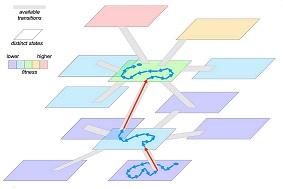 Evolution in the weak-mutation limit: Stasis periods punctuated by fast transitions between saddle points on the fitness landscape by Yuri Bakhtin et al., doi:10.1073/pnas.2015665118, PNAS, 26 Jan 2021 (see right).
 14 Apr 2020: ...if evolution by natural selection is to occur, functional proteins must form a continuous network.... — John Maynard Smith.
On the feasibility of saltational evolution by Mikhail I. Katsnelson, Yuri I. Wolf and Eugene V. Koonin, doi:10.1073/pnas.1909031116, PNAS, 15 Oct 2019. Mentions fitness landscapes.
19 Aug 2019: Paleologists have analyzed the Ordovician surge in biodiversity, with a post-modern fitness landscape.
Computational Complexity as an Ultimate Constraint on Evolution by Artem Kaznatcheev, doi:10.1534/genetics.119.302000, Genetics, 01 May 2019. Just how ubiquitous hard landscapes (and the corresponding ultimate constraint on evolution) are in nature becomes an open empirical question.
Evolution in the light of fitness landscape theory by Inês Fragata et al., doi: 10.1016/j.tree.2018.10.009, Epub, 21 Dec 2018.
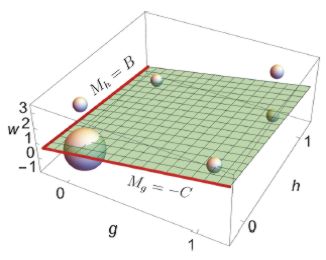 The general form of Hamilton's rule makes no predictions and cannot be tested empirically | PDF, by Martin A. Nowak et al., doi:10.1073/pnas.1701805114, PNAS, online 16 May 2017 (See fitness landscape at left).
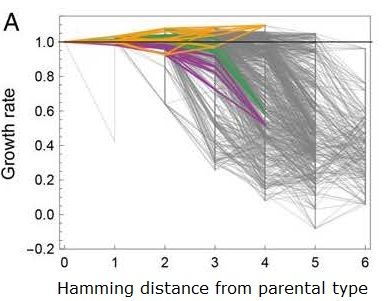 On the (un)predictability of a large intragenic fitness landscape by Claudia Bank et al., doi:10.1073/pnas.1612676113, PNAS, 06 Dec 2016. (See image at right.)
12 Jan 2017: Eugene V. Koonin looks at fitness landscapes.
Conflict Resolution in the Genome: How Transcription and Replication Make It Work by Stephan Hamper and Karlene A. Cimprich, doi:10.1016/j.cell.2016.09.053, Cell, 01 Dec 2016. Conflicts between the transcription and replication complexes represent a potent source of genome instability in both prokaryotes and eukaryotes, and cells have evolved multiple transcription- and replication-dependent mechanisms to control, minimize, and overcome such encounters. (re: Robust software management.)
Epistasis and the Structure of Fitness Landscapes... by François Blanquart and Thomas Bataillon, doi:10.1534/genetics.115.182691, Genetics, 01 Jun 2016. Fisher's model was ...often unable to explain the full structure of fitness landscapes.
03 Jun 2016: ...The mutation event giving rise to industrial melanism in Britain was the insertion of a ...transposable element....
Toward a prospective molecular evolution by Xionglei He, Li Liu, doi:10.1126/science.aaf7543, Science, 13 May 2016. Two studies ...characterize the in vivo fitness landscape of two RNA genes. ...Although the number of mutants they examined is still a small fraction of all possible variants of the genes, most of the possible genotypes that differ from the wild-type by one or two point mutations were characterized. Thus, a high-quality local fitness landscape of a gene has been constructed.
The fitness landscape of a tRNA gene by Chuan Li et al., doi:10.1126/science.aae0568, Science, online 14 Apr 2016. Approximately 1% of single point mutations in the gene are beneficial, while 42% are deleterious.
4 Jan 2016
|
4 Sep 2015: ...Thousands of transcripts ...which are likely to have originated de novo....
18 Oct 2013: Manfred Eigen's new book, From Strange Simplicity to Complex Familiarity.
Catarina Gadelha et al., "Membrane domains and flagellar pocket boundaries are influenced by the cytoskeleton in African trypanosomes" [abstract], doi:10.1073/pnas.0909289106, p17425-17430 v106, Proc. Natl. Acad. Sci. USA, 13 Oct 2009.
 Parasite breaks its own DNA to avoid detection, The Rockefeller University, 15 Apr 2009.
28 Aug 2007: Varying environments can speed up evolution. [mentions fitness landscapes.]
Thanat Chookajorn et al., "Epigenetic memory at malaria virulence genes" [abstract], 10.1073/pnas.0609084103, Proc. Natl. Acad. Sci. USA, online 5 Jan 2007. "The malaria parasite Plasmodium falciparum can switch its variant surface proteins ...to evade the host immune response. ...The gene family is enormous with a virtually unlimited number of members. ...Control of var gene transcription and antigenic variation is associated with a chromatin memory...."
26 Sep 2005: Common bacteria share an infinite gene pool?!
16 Feb 2005: Fitness Landscapes.
2003, May 11: Computer model evolves complex functions? [mentions fitness landscapes.]
2003, March 25: Here Be Dragons, by David W. Koerner and Simon Levay. [mentions fitness landscapes.]
...African trypanosome source of scientific insight, The Rockefeller University, 25 Nov 2002.
The Origin of Antifreeze Protein Genes
The notothenioid trypsinogen to AFGP conversion is the first clear example of how an old protein gene spawned a new gene for an entirely new protein with a new function. — Liangbiao Chen, Arthur L. DeVries and Chi-Hing C. Cheng (6)
The April 15, 1997 issue of Proc. Natl. Acad. Sci. USA contains a report with strong evidence — sequence similarities — linking two genes with different functions in a common Antarctic fish. One gene codes for trypsinogen, an enzyme produced in the pancreas. The other codes for a protein called antifreeze glycoprotein (AFGP) that keeps the fish's blood from freezing.
The related sequences are so similar that the biologists, from the University of Illinois, Urbana, date the divergence of the sequences as only 5 to 14 million years ago. This timing coincides with the independently estimated time when the Antarctic Ocean was frozen. "Selective pressure" would have favored the creation of an antifreeze gene then. The report makes a strong case that the antifreeze gene evolved from the trypsinogen gene by a series of steps including whole gene duplication; the deletion, insertion, duplication, and amplification of smaller sequences; and a frameshift mutation.
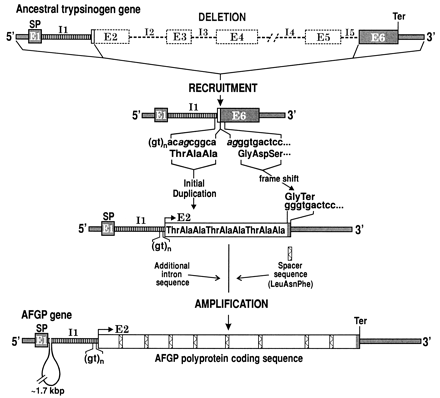 Proc. Nat. Acad. Sci., USA |
The work is undeniably interesting. Perhaps the most interesting part, noted in commentary by John M. Logsdon, Jr. and W. Ford Doolittle, is that "the novel portion of the AFGP gene (encoding for the ice-binding function) derives from the recruitment and iteration of a small region spanning the boundary between the first intron and the second exon of the trypsinogen gene" (7). Thus, according to the report, a sequence without integrity or meaning in the first gene fortuitously became a critical sequence in the new gene. Is this the example that has been lacking of the creation of a new gene? So it seems. But problems remain.
It is possible to estimate the likelihood of creating a new gene this way. One could estimate the actual rate at which the steps listed above occur in the fish germline cells and the fish population at the time when the Antarctic Ocean was freezing. From there one could straightforwardly calculate the approximate number of trials of new genes that could have occurred, during a reasonable time window, to produce an antifreeze protein gene in the fish. One could also estimate the number of different actual genes that would code for antifreeze proteins. Other work by the same authors in the same issue (8) makes this estimation seem possible. Finally, a mathematician could, with little trouble, count the number of possible different genes that could be created from the trypsinogen gene and other possible precursor genes by the steps listed above. These estimates would enable one to calculate the probability that an antifreeze gene would be found by trial and error in the time available.
The last estimate, however, turns out to be lethal for our chances. The number of possible different genes that could be created by only a handful of steps from the list above is enormous. For example, consider a gene of 2,500 nucleotides, allowing a 75% error rate (625 essential nucleotides.) The number of possible different genes that could be created by deleting a single essential nucleotide and inserting it elsewhere in the same gene, five successive times, is 10^28. When sequences for insertion into the target gene can be any length, and can come from any of thousands of other genes, the possibilities quickly approach the theoretical maximum — in this example 4^625 or about 10^370. So the proposed mechanism does not increase the probability of arriving at a wholly new gene by chance. It's still monkeys writing Shakespeare, only now they have word processors with "cut and paste" functions.
The authors are aware of this problem and postulate other roles for genetic intermediates between the two genes. However, they seem to realize that this speculation is inadequate, because they conclude [the second article] by saying, "The selection of an appropriate permutation of three codons... was likely shaped by the structural specificity required for antifreeze ice interaction to take place." This sounds like teleology.
After the careful analysis by Chen et al., one might understand if a neo-Darwinists lost patience at this point in the discussion and simply asserted that it must have happened as they describe. Any reasonable person would admit that genetic sequences may gradually diverge over time, as in the antifreeze gene example. Cosmic Ancestry does not dispute that genetic sequences can gradually diverge over time, and that genetic recombination occurs. But for the discovery of lengthy new sequences with new meaning, the math in the example still doesn't work. And a model for this process in text, without guidance, will not succeed.
If the antifreeze gene was composed by the process Chen et al. describe, perhaps antifreeze activity is so non-specific that "almost any gene will do," as considered above. But if the precise antifreeze sequence was required (allowing only normal error tolerance), the composition process would have to have been guided somehow. Neo-Darwinism allows guidance by a chain of hypothetical intermediate steps (but not by teleology). Cosmic Ancestry would explain such guidance only by other instructions already in the genome; however, this concept is undeveloped.
: Antifreeze Protein Genes
"Horizontal Gene Transfer in Vertebrates: A Fishy Tale", by Laurie A. Graham and Peter L. Davies, doi:10.1016/j.tig.2021.02.006, open-access link, TiG, 10 Mar 2021.
...the herring genome suggests this fish acquired its antifreeze protein gene by horizontal transfer and then passed a copy on to the smelt.
Xuan Zhuang et al., "Molecular mechanism and history of non-sense to sense evolution of antifreeze glycoprotein gene in northern gadids" [abstract], doi:10.1073/pnas.1817138116, PNAS, online 14 Feb 2019. We experimentally proved that all genic components of the extant gadid AFGP originated from entirely nongenic DNA. ...also... a fully formed ORF existed before the regulatory element to activate transcription was acquired.
Thomas J. Neara et al., "Ancient climate change, antifreeze, and the evolutionary diversification of Antarctic fishes" [abstract], doi:10.1073/pnas.111516910, Proc. Natl. Acad. Sci. USA, online 13 Feb 2012.
Cheng Deng et al., "Evolution of an antifreeze protein by neofunctionalization under escape from adaptive conflict" [abstract], doi:10.1073/pnas.1007883107, Proc. Natl. Acad. Sci. USA, online 29 Nov 2010. "We found that an SAS gene, having both sialic acid synthase and rudimentary ice-binding activities, became duplicated."
12 Nov 2006: The Making of the Fittest, by geneticist Sean B. Carroll, W. W. Norton, 2006.
 Evolutionary Scrap-heap Challenge..., a Reply forwarded by Stan Franklin, 17 Apr 2006.
7 May 2004: Ultraconserved elements.
2003, November 20: In mammals, CNGs are more numerous and better conserved than genes — a hint of possible other instructions already in the genome.
1999, October 21: A blood protein arose from a digestive enzyme.
Punctuated Equilibrium
The usual procedure is to forget the difficulties, never to talk about them, and to proceed as if the theory were without fault. — Paul Feyerabend (9)
Darwin wrote that evolution was a gradual process, with infinitesimal changes accumulating over the ages to eventually yield major differences in living things. If evolution advances as Darwin says it must, only tiny steps would ever happen. He states in The Origin of Species: "If it could be demonstrated that any complex organ existed which could not possibly have been formed by numerous, successive, slight modifications, my theory would absolutely break down" (10).
Evidence from fossils does not bear out Darwin's theory of gradual change. Instead, species remain relatively unchanged for long periods, and then suddenly, new kinds arise. Many bacteria today have apparently changed very little since they first appeared. Some archaebacterial species appear to be as old as life on Earth; they haven't evolved very far in almost four billion years. We know that bacteria were the only inhabitants of the earth until about 1.7 billion years ago. Apparently, no major evolutionary developments (multicellularity, cell specialization, etc.) happened among the bacteria for the first two billion years of life — more than half of the time life has existed on Earth.
By contrast, the entire Cambrian Explosion of about 570 million years ago took only five to nine million years (11). All kinds of multicelled creatures, in astonishing variety, seemed to come at once out of nowhere (12). On the cover of Time we read this synopsis of the Cambrian Explosion: "New discoveries show that life as we know it began in an amazing biological frenzy that changed the planet almost overnight" (13).
Similar discontinuities can be seen on a finer scale in the individual histories of species. In fact, the sudden appearance of new kinds of creatures, without evidence of intermediate kinds, is more the rule than the exception. Examples of intermediate kinds, such as the dog-sized Mesohippus that preceded the horse are actually quite rare. Stephen Jay Gould calls this discrepancy between the theory (gradualism) and the evidence (big steps) the paleontologists' "trade secret."
Today there is still considerable discord over punctuated equilibrium. How real is stasis (the period without appreciable change), how gradual is punctuation, and how can neo-Darwinists account for them? One proposal is "species sorting" or "species selection." In general, the new idea is that big evolutionary steps occur gradually in small, isolated populations. When the evolutionary steps are complete, the small population with its new advantage quickly expands and replaces the bigger population. Thus, in the geological record the change looks instantaneous. This solution has some appeal, but it offers little more by way of explanation than that gradual evolution always takes place somewhere out of sight. In 1931, J.B.S. Haldane foresaw this problem. "The paleontologist can always postulate a slow evolution in some area hitherto unexplored geologically, followed by migration into known areas" (14). Perhaps punctuated equilibrium is a clue that the genetic mechanism underlying evolutionary progress is altogether different from the one currently in favor.
Richard Dawkins writes that the eye could evolve easily, by chance, in tiny steps. In an article entitled "The Eye in a Twinkling," he discusses how improvements of only one percent each could lead, in only some 400,000 generations, to the eye of a fish (15). He says eyes could have evolved many times, as they must have, because there are about 40 different kinds of eyes.
If eyes have evolved as Dawkins describes, by chance, then the genetic program to coordinate all the embryological steps in the growth of an eye (of each type) would evolve only after the genes for the steps themselves had evolved. Yet recently, scientists learned that the same gene coordinating the embryological steps in eye-making works in wasps and mice! The coordinating gene must have come first. "The observation that mammals and insects, which have evolved separately for more than 500 million years, share the same master control gene for eye morphogenesis indicates that the genetic control mechanisms for development are much more universal than anticipated" (16). In March, 1997, a group of scientists at the National Eye Institute in Bethesda, Maryland and the University of Basel in Switzerland reported that a gene controlling eye development is shared by fruitflies, mice, and squid (17). These startling developments have made theorists reconsider how eyes evolved (18).
A coordinating gene that works the same way in very different animals is not confined to the eye. Homeotic genes in Drosophila (the fruitflies often used to study genetics) are known to control the expression of at least twenty of the fly's genes. Homeotic genes can be identified by the presence in them of a sequence 180 nucleotides long called a homeobox. "The big surprise concerning homeoboxes came in 1984 with the discovery of a homeobox, very similar to the Drosophila ones in a vertebrate, the toad Xenopus laevis. Soon afterwards the first mammalian homeoboxes were located..." (19). Coordinating genes appear to be standardized across a broad range of multicelled animals. And in March, 1997, biologists from the John Innes Centre for Plant Science Research in Norwich, England and Caltech found impressive similarities between homeotic genes in the fruitfly and a flowering plant (20).
It is difficult for neo-Darwinism to explain the appearance of embryological coordinating genes before the appearance of the embryological steps they coordinate. It's as if the blueprints for assembly-line manufacturing plants were on hand before the invention of assembly-line manufacturing.
"Convergent evolution" has been observed since the time of Darwin. It is the name given to apparent coincidences in evolution, such as the physical similarity between sharks (fish) and dolphins (mammals), or the parallelism in the cochlea of birds and mammals. A striking example is the resemblance between the Tasmanian wolf, which is an Australian marsupial "dog," and mammalian dogs common on other continents. Although the two would be very far apart on a phylogenetic tree, it takes a skilled zoologist to distinguish them by anatomical features like the skeleton. And examples of convergence also appear at the molecular level, as in similar antibody proteins carried by camels and nurse sharks. As The New York Times observes, "The more scientists look, the more examples of convergence they find" (21).
Neo-Darwinism accounts for the phenomenon by supposing that evolutionary options are often severely restricted by circumstances. "Convergences keep happening because organisms keep wanting to do similar things, and there are only so many ways of doing them," says molecular biologist Rudolf A. Raff of Indiana University (22). So the phenomenon has been named "the principle of convergence" or "convergent evolution." But naming the problem doesn't mean it has been explained. The renowned Harvard biologist Stephen Jay Gould believes that slight differences in the course of evolution should lead to totally different outcomes. If so, convergence is baffling. A discerning witness is justified in wondering if neo-Darwinism adequately explains convergence, or if another theory might account for it better.
Ernst Mayr's 1988 classic, Toward a New Philosophy of Biology, asks the question, "Does Microevolution Explain Macroevolution?" (24). The issue came into sharper focus after Niles Eldredge and Stephen Jay Gould introduced the concept of "punctuated equilibrium" into the discussion of evolution. Microevolution would occur during stasis, and macroevolution at the punctuation points. This scenario is inconsistent with neo-Darwinian gradualism, according to which macroevolution is simply cumulative microevolution over long periods of time. The question challenges standard neo-Darwinism at its heart.
In our opinion, neo-Darwinism adequately accounts for microevolution. Changes in existing allele frequencies are already known to cause microevolution such as the darkening of the English moth's wings [but see What'sNEW, 03 Jun 2016]. A single nucleotide substitution can alter a virus's protein coat into one that the host's immune system doesn't recognize. The insertion or deletion of a single nucleotide causes a nonsense mutation that would disable, for example, a promoter or repressor sequence, thereby switching other whole genetic programs off or on.
: Punctuated Equilibrium
"On the multiscale dynamics of punctuated evolution," by Salva Duran-Nebreda et al., doi:10.1016/j.tree.2024.05.003, Trends in Ecology and Evolution, 30 May 2024.
Mostly about extinctions. Mentions fitness landscapes.
"Imbalanced speciation pulses sustain the radiation of mammals," by Ignacio Quintero et al., doi:10.1126/science.adj2793, Science, 30 May 2024.
"...isolated, fast-speciating lineages...."
On the feasibility of saltational evolution by Mikhail I. Katsnelson, Yuri I. Wolf and Eugene V. Koonin, doi:10.1073/pnas.1909031116, PNAS, 15 Oct 2019.
Ancient records prompt rethink of animal evolution timeline, Newswise, 12 Mar 2019. ...our findings suggest it actually happened in stages.
20 Feb 2019: The Cambrian Explosion was sudden.
Pulsed evolution shaped modern vertebrate body sizes by Michael J. Landis and Joshua G. Schraiber, doi:10.1073/pnas.1710920114, PNAS, 12 Dec 2017.
Structure and function of a compound eye, more than half a billion years old by Brigitte Schoenemann et al., doi:10.1073/pnas.1716824114, PNAS, 04 Dec 2017.
23 Aug 2017: Improbable Destinies, by Jonathan B. Losos
Can Population Genetics Adapt to Rapid Evolution? by Philipp W. Messer, Stephen P. Ellner and Nelson G. Hairston Jr., doi:10.1016/j.tig.2016.04.005, Trends in Genetics, online 13 May 2016. The time-rate scaling of phenotypic evolution suggests that selection on phenotypes is often fluctuting in direction, allowing phenotypes to respond rapidly to environmental fluctuations while remaining within relatively constant bounds over longer periods.
What sparked the Cambrian explosion? by Douglas Fox, doi:10.1038/530268a, Nature, 18 Feb 2016.
J. William Schopf et al., "Sulfur-cycling fossil bacteria from the 1.8-Ga Duck Creek Formation provide promising evidence of evolution's null hypothesis" [abstract], doi:10.1073/pnas.1419241112, PNAS, online 2 Feb 2015; and commentary:
Scientists discover organism that hasn't evolved in more than 2 billion years, by Stuart Wolpert, UCLA Newsroom, 2 Feb 2015.
M. Paul Smith and David A. T. Harper, "Causes of the Cambrian Explosion" [summary], doi:10.1126/science.1239450, p 355-1356 v 341, Science, 20 Sep 2013.
Erik A. Sperling et al., "Oxygen, ecology, and the Cambrian radiation of animals" [abstract], doi:10.1073/pnas.1312778110, p13446-13451 v110, Proc. Natl. Acad. Sci. USA, 13 Aug 2013. "...Providing an integrated explanation for both the pattern and timing of Cambrian animal radiation."
Josef C. Uyeda et al., "The million-year wait for macroevolutionary bursts" [abstract], doi:10.1073/pnas.1014503108, Proc. Natl. Acad. Sci. USA, online 23 Aug 2011. "The best-fitting model to explain this pattern is a model that combines rare but substantial bursts of phenotypic change with bounded fluctuations on shorter timescales."
18 Apr 2011: There is no gradualism in the fossil record — Lynn Margulis
7 Jan 2009: Latent evolutionary potential was realized soon after environmental limitations were removed.
15 Jan 2008: Did meteors cause the Great Ordovician Biodiversification Event?
4 Jan 2008: A sudden diversification of life..., if confirmed,... reinforces the idea that major evolutionary innovations occurred in bursts.
Gene Hunt, "The relative importance of directional change, random walks, and stasis in the evolution of fossil lineages" [abstract], doi:10.1073/pnas.0704088104, p18404-18408 v104, Proc. Natl. Acad. Sci. USA, 20 Nov (online 14 Nov) 2007. "The rarity with which directional evolution was observed in this study corroborates a key claim of punctuated equilibria...."
Antonis Rokas et al., "Animal Evolution and the Molecular Signature of Radiations Compressed in Time" [abstract], 10.1126/science.1116759, p 1933-1938 v 310, Science, 23 Dec 2006. "The differences ...suggest that the early history of metazoans was a radiation compressed in time, a finding that is in agreement with paleontological inferences."
Ancient crustacean raises new questions, by Ivan Noble, BBC News Online, 19 July 2001: 511 million-year-old fossil supports Cambrian expolsion.
Carol Kaesuk Yoon, "Fossil Findings May Force Revisions in the History of Life" [text], The New York Times, 22 May 2001. "The real peak of life's diversity may have come and gone more than 400 million years ago."
1999, November 3: Fossils of primitive fish have been found in the Lower Cambrian.
Coordinating Genes
We violate probability, by our nature. — Lewis Thomas
: Coordinating Genes
Circuitous Genetic Regulation Governs a Straightforward Cell Migration by Afsoon Saadin and Michelle Starz-Gaiano, doi:10.1016/j.tig.2016.08.001, Trends in Genetics, Oct 2016.
26 Aug 2009: "The Origin of Life on Earth" in a Scientific American Special Issue: "Understanding Origins".
Wayne L. Davies et al., "Into the blue: Gene duplication and loss underlie color vision adaptations in a deep-sea chimaera, the elephant shark Callorhinchus milii" [abstract], doi:10.1101/gr.084509.108, p 415-426 v 19, Genome Research, Mar (online 4 Feb) 2009.
25 Jun 2008: Vertebrate and jellyfish eyes use similar genes.
21 May 2005: The key to early eye evolution?
A highly conserved mechanism ...points to a common evolutionary origin of animal eyes by Carl Neumann, Max Planck Institute for Developmental Biology, Tuebingen, 22 September 2000. The mechanisms used to control nerve cell formation in the zebrafish and fruitfly eyes thus appear to be exact copies of each other.
Convergent Evolution
Doubts, additional questions, argument and criticism contribute to the strength, not the weakness, of scientific thought. — Robert Macchiarelli, paleontologist, University of Poitiers (20.5)
: Convergent Evolution
02 Aug 2024: The Convergent evolution of prickles (thorns).
"How Did Roses Get Their Thorns?" by Carl Zimmer, The New York Times, 01 Aug 2024.
Each time prickles [thorns] arose, plants did not evolve an entirely new way to make them. They just borrowed the same gene again and again.
"Convergence in carnivorous pitcher plants reveals a mechanism for composite trait evolution," by Guillaume Chomicki et al., Science, 05 Jan 2024.
...likely evolved convergently through spontaneous coincidence of a new beneficial trait combination, facilitated by high stochastic phenotypic variation.
Convergent genomic signatures of local adaptation across a continental-scale environmental gradient, doi:10.1126/sciadv.add0560, Science Advances, 19 May 2023.
Convergent selection of a WD40 protein that enhances grain yield in maize and rice by Wenkang Chen, Lu Chen, Xuan Zhang and Ning Yang, doi:10.1126/science.abg7985, Science, 25 Mar 2022.
Insights into how development and life-history dynamics shape the evolution of venom by Joachim M. Surm and Yehu Moran, doi:10.1186/s13227-020-00171-w, EvoDevo, 07 Jan 2021.
Venomous animals are a striking example of the convergent evolution of a complex trait.
Genomic Architecture of Rapid Parallel Adaptation to Fresh Water in a Wild Fish by Shao-Bing Zong, Yu-Long Li and Jin-Xian Liu, doi:10.1093/molbev/msaa290, Molecular Biology and Evolution, Apr 2021 (online 04 Nov 2020.)
Genomic Evidence for Convergent Molecular Adaptation in Electric Fishes by Ying Wang and Liandong Yang, doi:10.1093/gbe/evab038, Genome Biology and Evolution, 26 Feb 2021. A subset of 702 positively selected genes was putatively associated with electrogenesis.
26 Mar 2021: Convergent Evolution and directed mutation are apparently affecting the coronavirus.
10 Dec 2020: Mutualisms between fungi and plants ...have evolved repeatedly and independently many times.
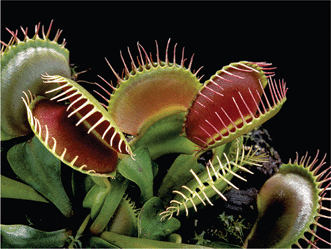 Green hunters' origins revealed, Science at a Glance, Science, 15 May 2020. The researchers conclude that carnivory evolved at least six times in the plant kingdom and that most plants already have many of the necessary genes.
Solenodon genome reveals convergent evolution of venom in eulipotyphlan mammals by Nicholas R. Casewell, doi:10.1073/pnas.1906117116, PNAS, online 26 Nov. ...evolutionary constraints may be acting on these genes.
27 Aug 2019: Directed mutation can produce convergent evolution. ...!!!
23 Aug 2017: Improbable Destinies, by Jonathan B. Losos
Deep-time parallel evolution of myrmecoid syndrome in rove beetle symbionts of army ants by Munetoshi Maruyama and Joseph Parker, doi:10.1101/076315, bioRxiv, online 20 Sep 2016. Revised: doi:10.1016/j.cub.2017.02.030, Current Biology, 09 Mar 2017.
Convergent evolution of caffeine in plants by co-option of exapted ancestral enzymes by Ruiqi Huanga et al., doi:10.1073/pnas.1602575113, PNAS, online 16 Sep 2016.
Sishuo Wang et al., "Long-Lasting Gene Conversion Shapes the Convergent Evolution of the Critical Methanogenesis Genes," doi:10.1534/g3.115.020180, G3, online 16 Sep 2015.
M. Sabrina Pankey et al., "Predictable transcriptome evolution in the convergent and complex bioluminescent organs of squid" [abstract], doi:10.1073/pnas.1416574111, Proc. Natl. Acad. Sci. USA, online 4 Nov 2014. "Unless there are strong constraints, the probability of complex organs originating multiple times through similar trajectories should be vanishingly small."
27 Jun 2014: The same genes were recruited within the different species to make evolutionarily new structures that function similarly.
Sylvain Aubry, Steven Kelly et al., "Deep Evolutionary Comparison of Gene Expression Identifies Parallel Recruitment of Trans-Factors in Two Independent Origins of C4 Photosynthesis" [html], doi:10.1371/journal.pgen.1004365, 10(6): e1004365, PLoS Genet, online 5 Jun 2014.
Joe Parker et al., "Genome-wide signatures of convergent evolution in echolocating mammals" [html], doi:10.1038/nature12511, Nature, online 4 Sep 2013; and commentary: Queen Mary scientists uncover genetic similarities between bats and dolphins, Queen Mary University of London, 4 Sep 2013.
Nicolás Frankel et al., "Conserved regulatory architecture underlies parallel genetic changes and convergent phenotypic evolution" [abstract], doi:10.1073/pnas.1207715109, Proc. Natl. Acad. Sci. USA, online 29 Nov 2012.
Mario Ventura et al., "Gorilla genome structural variation reveals evolutionary parallelisms with chimpanzee" [abstract], doi:10.1101/gr.124461.111, p1640-1649 v21, Genome Research, Oct 2011.
Flajnik MF, Deschacht N, Muyldermans S, "A Case Of Convergence: Why Did a Simple Alternative to Canonical Antibodies Arise in Sharks and Camels?" [html], doi:10.1371/journal.pbio.1001120, 9(8): e1001120, PLoS Biol, online 2 Aug 2011.
S. Hollis Woodard, Brielle J. Fischman et al., "Genes involved in convergent evolution of eusociality in bees" [abstract], doi:10.1073/pnas.1103457108, Proc. Natl. Acad. Sci. USA, online 11 Apr 2011. And commentary:
The genes that make a bee sociable by Ewen Callaway, Nature.com, 11 Apr 2011. "Now, a genomic study of different bee species suggests that even when insects evolve eusociality independently, they often use the same genes and molecular pathways."
Naomi J. Brown et al., "Independent and Parallel Recruitment of Preexisting Mechanisms Underlying C4 Photosynthesis" [abstract], doi:10.1126/science.1201248, p1436-1439 v331, Science, 18 Mar 2011.
David B. Wake et al., "Homoplasy: From Detecting Pattern to Determining Process and Mechanism of Evolution" [abstract], doi:10.1126/science.1188545, p1032-1035 v331, Science, 25 Feb 2011. "Common developmental genetic mechanisms have been shown to underlie features that long were considered classic examples of convergent evolution."
Homoplasy: A Good Thread to Pull to Understand the Evolutionary Ball of Yarn, Press Release 11-041, National Science Foundation, 24 Feb 2011. "...The evolution of eyes, which evolved many times in different groups of organisms--from invertebrates to mammals--all of which share an identical genetic code for their eyes."
John J. Wiens, "Re-evolution of lost mandibular teeth in frogs after more than 200 million years, and re-evaluating Dollo's law" [abstract], doi:10.1111/j.1558-5646.2011.01221.x, Evolution, online 27 Jan 2011.
...Re-Evolution Of Lost Teeth In Frogs After More Than 200 Million Years, Stony Brook University, 7 Feb 2011.
18 Jan 2011: Many features appear to have originated more than once in the history of life on Earth.
Julius Lukes et al., "Cascades of convergent evolution: The corresponding evolutionary histories of euglenozoans and dinoflagellates" [abstract], doi:10.1073/pnas.0901004106, p 9963-9970 v 106, Proc. Natl. Acad. Sci. USA, 16 Jun 2009.
Todd A. Castoe et al., "Evidence for an ancient adaptive episode of convergent molecular evolution" [abstract], doi:10.1073/pnas.0900233106, Proc. Natl. Acad. Sci. USA, online 28 Apr 2009.
Bastien Boussau et al., "Parallel adaptations to high temperatures in the Archaean eon" [abstract], doi:10.1038/nature07393, p 942-946 v 456, Nature, 18-25 Dec 2008.
Juan C. Opazo et al., "Genomic evidence for independent origins of Β-like globin genes in monotremes and therian mammals" [abstract], doi:10.1073/pnas.0710531105, p 1590-1595 v 105, Proc. Natl. Acad. Sci. USA, 23 Jan 2008.
28 Jan 2006: Important aspects of the history of life are replicable and predictable.
16 Mar 2005: Life's Solution, by Simon Conway Morris.
Spider webs untangle evolution "...The concept that chance reigns supreme may ring less true when it comes to complex behaviours." Roxanne Khamsi, News@Nature.com, 1 Nov 2004.
Juan Carlos Santos et al., "Multiple, recurring origins of aposematism and diet specialization in poison frogs" [abstract], doi:10.1073/pnas.2133521100, p 12792-12797 v 100, Proc. Natl. Acad. Sci. USA, 28 Oct 2003.
Moya Meredith Smith and Zerina Johanson, "Separate Evolutionary Origins of Teeth from Evidence in Fossil Jawed Vertebrates" [abstract], doi:10.1126/science.1079623, p 1235-1236 v 299, Science, 21 Feb 2003.
23 Jan 2003: Wingless stick insects have re-evolved wings, perhaps many times.
Poles apart, molars together "The teeth that might have allowed mammals to develop ...into today's relative giants arose twice on different continents." Juliette Shackleton, Nature Science Update, 4 January 2001.
Does Microevolution Explain Macroevolution?
Microevolution — A change in the gene pool of a population over a sucession of generations.
Macroevolution — Evolutionary change on a grand scale, encompassing the origin of novel designs, evolutionary trends, adaptive radiation, and mass extinction. — Neil A. Campbell (23)
| William Bateson, 1914:
We have done with the notion ...that large differences can arise by accumulation of small differences. ...[T]here is not the slightest reason for supposing that they are capable of summation. As to the origin or source of these positive separable factors, we are without any indication or surmise. By their effects we know them to be definite, as definite, say, as the organisms which produce diseases; but how they arise and how they come to take part in the composition of the living creature so that when present they are treated in cell-division as constituents of the germs, we cannot conjecture. [source] |
Notice the term "progress" in the preceding paragraph. Any significant advance in evolution requires new genes. But loss of function, of course, can occur without new genes. So, macroevolutionary loss of function is not hard to explain. The real question is, "Does microevolutionary progress explain macroevolutionary progress?"
An excellent example of microevolutionary progress was discovered in 1999, by geneticists and ophthalmologists at University College London. From sequences of opsin genes they have deduced a plausible way for trichromatic vision in the howler monkey to have evolved from dichromatic vision by neo-Darwinian gene duplication followed by nucleotide substitutions in one copy. Their analysis of the control regions of the genes, which are upstream of the coding regions, confirms the duplication. Interestingly, of the approximately 80 nucleotides from the coding region of the two genes that were compared, only one nucleotide was not identical. This plausible mutation causes a single amino acid substitution in the second howler opsin that changes its color sensitivity. The changed gene makes 3-color vision possible (25). In a recently discovered closely related example only two amino acid substitutions account for the blue-shifted vision of coelacanths (26).
The howler monkeys' acquisition of trichromatic vision represents evolutionary progress, unquestionably. But the same neo-Darwinian microevolutionary mechanism has not been shown to be capable of manufacturing the wholly new genes necessary for macroevolutionary progress. We believe that another source for these new genes is necessary.
: Microevolution & Macroevolution
10 Jul 2023: Germline mutations are the proximate source of genomic innovation...?
11 Nov 2016: George Church says Prove it.
23 Jul 2016: Quotation from Homology, Genes, and Evolutionary Innovation (2014), by Günter P. Wagner.
Chris M Rands et al., "Insights into the evolution of Darwin's finches from comparative analysis of the Geospiza magnirostris genome sequence" [html], doi:10.1186/1471-2164-14-95, n95 v14, BMC Genomics, 12 Feb 2013.
Hiroshi Akashi et al., "Weak Selection and Protein Evolution" [abstract], doi:10.1534/genetics.112.140178, p15-31 v192, Genetics, 1 Sep 2012.
23 Feb 2012: Experimenters with a virus and its bacterial host in a quarantined system report a breakthrough.
Tomohide Hiwatashi et al., "Gene conversion and purifying selection shape nucleotide variation in gibbon L/M opsin genes" [abstract], doi:10.1186/1471-2148-11-312, v11 n312, BMC Evolutionary Biology, 22 Oct 2011.
Takashi Tada et al., "Evolutionary replacement of UV vision by violet vision in fish" [abstract], doi:10.1073/pnas.0903839106, p17457-17462 v106, Proc. Natl. Acad. Sci. USA, 13 Oct 2009. "Mutagenesis experiments and ...computations show that the violet-sensitivity was achieved by the deletion of Phe-86...."
20 Sep 2008: Woodstock of evolution?
Gerald H. Jacobs et al., "Emergence of Novel Color Vision in Mice Engineered to Express a Human Cone Photopigment" [abstract], 10.1126/science.1138838, p 1723-1725 v 315, Science, 23 Mar 2007. And commentary by Patrick Goymer, "Evolution: Colour vision for mice" [abstract], 10.1038/nrg2106, p 324-325 v 8, Nature Reviews Genetics, May 2007.
12 Nov 2006: The Making of the Fittest, by geneticist Sean B. Carroll, W. W. Norton, 2006.
23 Sep 2005: Today's protein families have been fine-tuned from ancient templates.
Shozo Yokoyama and Naomi Takenaka, "The Molecular Basis of Adaptive Evolution of Squirrelfish Rhodopsins" [abstract], p 2071-2078 v 21 n 11, Molecular Biology and Evolution, Nov 2004: well-documented microevolution.
15 Jan 2004: Are normal microevolutionary processes sufficient to account for human origins?
Uwe Stolz et al., "Darwinian natural selection for orange bioluminescent color in a Jamaican click beetle" [abstract], Proc. Natl. Acad. Sci. USA, online 17 Nov 2003: typical example of microevolution.
2003, April 7: Stephen Jay Gould's account of macroevolution, in a new Encyclopedia of Evolution....
Macroevolutionary Progress Redefined..., a new webpage, posted 4 Sep 2002.
1999, June 3: Example of microevolution.
Summary
...A considerable part of Darwinism is not of the nature of an empirical theory, but is a logical truism. — Karl R. Popper, 1972 (27) Artificial selection never produces wholly new characteristics. Without the input of new genes, there is no evidence that natural selection does either. The notion that mutation and recombination can compose new genes is implausible. There is scant evidence that mutation and recombination can compose functional new genes that differ from any known predecessor by more than, say, a dozen essential nucleotides. The evolution of antifreeze glycoproteins in Antarctic cod presents problems for both Darwinism and Cosmic Ancestry. Evolution does not appear to be gradual, contrary to Darwin's firm prediction. The standard theory cannot explain why the coordinating genes that control the development of embryos and major features are often very similar across totally different species. Convergent evolution is a surprise not well-explained by neo-Darwinism.
Macroevolutionary progress is not accounted for by neo-Darwinian microevolution.
Artificial selection never produces wholly new characteristics. Without the input of new genes, there is no evidence that natural selection does either. The notion that mutation and recombination can compose new genes is implausible. There is scant evidence that mutation and recombination can compose functional new genes that differ from any known predecessor by more than, say, a dozen essential nucleotides. The evolution of antifreeze glycoproteins in Antarctic cod presents problems for both Darwinism and Cosmic Ancestry. Evolution does not appear to be gradual, contrary to Darwin's firm prediction. The standard theory cannot explain why the coordinating genes that control the development of embryos and major features are often very similar across totally different species. Convergent evolution is a surprise not well-explained by neo-Darwinism.
Macroevolutionary progress is not accounted for by neo-Darwinian microevolution.
What'sNEW (More new items follow subtopics above.)
Evolution has... come to do for biology what vitalism did for it previously — Robert Rosen (28)
"Evolution of complexity through regulatory variation at a single gene," by Mafalda S. Ferreira, PNAS, 21 Jan 2025.
 "Predicting rapid adaptation in time from adaptation in space: A 30-year field experiment in marine snails," by Diego Garcia Castillo et al, Science Advances, and a commentary with background from from the Institute of Science and Technology Austria (ISTA) via PhysOrg, 11 Oct 2024.
16 Sep 2024: How did eukaryotic cells evolve?
"The molecular basis of phenotypic evolution: beyond the usual suspects," by R-C Lin et al., Trends Genet, May 2024.
05 May 2024: ...genes play only a minor role in evolution. — Peter A. Corning.
"Why we don't want another 'Synthesis'" by Arlin Stoltzfus, Biology Direct, 02 Oct 2017.
The era of master theories based on ruling principles and grand schemes is long past. The OMS was the last such theory. There will not be another.
"Do we need a new theory of evolution?" by Stephen Buranyi, The Guardian, 28 Jun 2022.
We don't need no friggin' new synthesis. We didn't even really need the old synthesis — W. Ford Doolittle.
23 Oct - 01 Nov 2023: Several new laws of evolution are proposed....
15 May 2023: ...Concerted Evolution?
"Do Epigenetic Changes Influence Evolution?," by Katarina Zimmer, The Scientist, 01 Nov 2022.
"Epistatic drift causes gradual decay of predictability in protein evolution," by Yeonwoo Park, Brian P. H. Metzger and Joseph W. Thornton, doi:10.1126/science.abn6895, Science, 19 May 2022.
26 Jul 2022: ...in evolutionary biology, ...we still grapple with the same questions as a century or more ago.
Gregor Johann Mendel and the development of modernevolutionary biology by Nils Chr. Stenseth et al., doi:10.1073/pnas.2201327119, PNAS, 26 Jul 2022.
Direct observation of adaptive tracking on ecological time scales in Drosophila by SM Rudman, SI Greenblum, S Rajpurohit et al., doi:10.1126/science.abj7484, Science, 18 Mar 2022.
E.O. Wilson, a Pioneer of Evolutionary Biology, Dies at 92 by Carl Zimmer, The New York Times, 27 Dec 2021.
Development and selective grain make plasticity 'take the lead' in adaptive evolution by Miguel Brun-Usan et al., doi:10.1186/s12862-021-01936-0, BMC Ecol Evo, 20 Nov 2021. The Conclusion (open access) explains the breakthrough. We await the demonstration.
The mutational load in natural populations is significantly affected by high primary rates of retroposition by Wenyu Zhang et al., doi:10.1073/pnas.2013043118, PNAS, 09 Feb 2021.
...for natural house mouse populations... the primary rate of retroposition is orders of magnitude higher than the long-term rate.
The mutational load in natural populations is significantly affected by high primary rates of retroposition by Wenyu Zhang et al., doi:10.1073/pnas.2013043118, PNAS, 09 Feb 2021.
...for natural house mouse populations... the primary rate of retroposition is orders of magnitude higher than the long-term rate.
20 Jan 2021: Constructive Neutral Evolution - it's like magic!
Timing the origin of eukaryotic cellular complexity with ancient duplications by J. Vosseberg, J.J.E. van Hooff, M. Marcet-Houben et al., doi:10.1038/s41559-020-01320-z, Nat Ecol Evol, 26 Oct 2020.
...the genome size of LECA reflected that of a typical present-day eukaryote....
Timeline of early eukaryotic evolution unveiled, IRB Barcelona (+PhysOrg), 26 Oct 2020.
10 Apr 2020: Some Assembly Required by Neil Shubin [book review].
Ecological scaffolding and the evolution of individuality by Andrew J. Black et al., doi:10.1038/s41559-019-1086-9, Nat Ecol Evol, 10 Feb 2020.
...How Much Do Beneficial Mutations Actually Contribute to Predictions of Ohta's Slightly Deleterious Model of Molecular Evolution? by Jun Chen et al., doi:10.1534/genetics.119.302869, Genetics, online 03 Feb 2020.
Evolutionary Persistence of DNA Methylation for Millions of Years after Ancient Loss of a De Novo Methyltransferase by Sandra Catania et al., doi:10.1016/j.cell.2019.12.012, Cell, 16 Jan 2020. We propose that an epigenome has been propagated for >50 million years through a process analogous to Darwinian evolution of the genome.
27 Jul 2019: ...which genes may have played a role in the evolution of the placenta....
Rapid experimental evolution of reproductive isolation from a single natural population by Scott M. Villa et al., doi:10.1073/pnas.1901247116, PNAS, 02 Jul 2019.
How microbes "jeopardize" the modern synthesis by Aaron Novick and W. Ford Doolittle, PLoS Genet, 15 May 2019.
09 Jan 2019: ...all the central assumptions of the Modern Synthesis ...have been disproved.— Denis Noble.
18 Dec 2018: Horizontal Gene Transfer (HGT) is the only source for all of the evolutionary innovations observed among all of the bacterial clades examined.
How the Land Became the Locus of Major Evolutionary Innovations by Geerat Vermeij, Current Biology, 23 Oct 2017; and commentary:
Evolution accelerated when life set foot on land by Elizabeth Pennisi, Science, 12 Oct 2017.
19 Oct 2017: ...so you could just say whatever you wanted.... — W. Ford Doolittle, 2016.
Epigenetic variation between urban and rural populations of Darwin's finches, by Sabrina M. McNew et al., BMC Evolutionary Biology, online 24 Aug 2017; and commentary, PhysOrg.com.
The general form of Hamilton's rule makes no predictions and cannot be tested empirically | PDF, by Martin A. Nowak et al., doi:10.1073/pnas.1701805114, PNAS, online 16 May 2017.
The Evolving Definition of the Term "Gene" by Petter Portin and Adam Wilkins, doi:10.1534/genetics.116.196956, Genetics, 01 Apr 2017.
Pterosaurs Hijack Royal Society Evo Meeting by Suzan Mazur, Huffington Post, 21 Nov 2016.
04 Sep 2016: The Kingdom of Speech, by Tom Wolfe
Does the "Extended Synthesis" Replace or not Replace Neo-Darwinism?... by Suzan Mazur, Huffington Post, 30 Apr 2016.
Evolution of stickleback in 50 years on earthquake-uplifted islands by Emily A. Lescak et al., doi:10.1073/pnas.1512020112, PNAS, 14 Dec 2015. If the findings from stickleback are generalizable to other systems, then rapid evolution in the wild may be more common than previously documented.
When Fruit Flies Get Sick, Their Offspring Become More Diverse, North Carolina State University, (+Newswise), 13 Aug 2015.
Kevin N. Laland et al., "The extended evolutionary synthesis: its structure, assumptions and predictions" [html | pdf], doi:10.1098/rspb.2015.1019, Proc. R. Soc. B, 22 Aug 2015. "...It is vital that the conceptual frameworks themselves evolve in response to new data, theories and methodologies. This is not always straightforward, as habits of thought and practice are often deeply entrenched." We wish the new conceptual framework included this question: Is open-ended evolutionary innovation possible in a quarantined system?
Aashiq H. Kachroo et al., "Systematic humanization of yeast genes reveals conserved functions and genetic modularity" [abstract], doi:10.1126/science.aaa0769, p 921-925 v 348, Science, 22 May 2015.
16 Jul 2015: ...Neo-Darwinism isn't falsifiable.... — Peter Saunders
...An Interview with Ford Doolittle by Jane Gitschier, PLoS Genet, 7 May 2015.
28 Apr 2015: Diversity-generating retroelements (DGRs) use mutagenic reverse transcription and retrohoming to generate myriad variants of a target gene.
Beyond genetics: illuminating the epigenome by Merlin Crossley, The Conversation, 20 Feb 2015.
Sindhuja Devanapally et al., "Double-stranded RNA made in C. elegans neurons can enter the germline and cause transgenerational gene silencing" [abstract], doi:10.1073/pnas.1423333112, Proc. Natl. Acad. Sci. USA, online 2 Feb 2015.
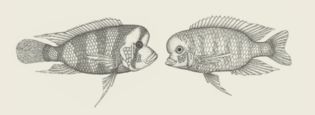 15 Oct 2014: Does evolutionary theory need a rethink?
New Genetic 'Operating System' Facilitated Evolution of 'Bilateral' Animals, UC San Diego News Center (+PhysOrg.com), 30 Sep 2014. "They found that TRF2 is present in bilateral animals, and is absent in animals that lack bilateral symmetry, such as jellyfish, sea anemones and sponges."
Bolhuis JJ, Tattersall I, Chomsky N, Berwick RC, "How Could Language Have Evolved?" [html], doi:10.1371/journal.pbio.1001934, 12(8): e1001934, PLoS Biol., 26 Aug 2014. "...The relatively sudden origin of language poses difficulties that may be called 'Darwin's problem.'"
Anton S. Petrov et al., "Evolution of the ribosome at atomic resolution" [abstract], doi:10.1073/pnas.1407205111, Proc. Natl. Acad. Sci. USA, online 30 Jun 2014.
Evolution depends on rare chance events, "molecular time travel" experiments show, The University of Chicago Medicine (+Newswise), 19 Jun 2014.
7 Mar 2014: "Traditional evolutionary biology began in the 1930s...."
Woltering JM, Noordermeer D, Leleu M, Duboule D, "Conservation and Divergence of Regulatory Strategies at Hox Loci and the Origin of Tetrapod Digits" [html], doi:10.1371/journal.pbio.1001773, 12(1): e1001773, PLoS Biol, 21 Jan 2014; and commentary:
Mary Hoff, "A Footnote to the Evolution of Digits" [html], doi:10.1371/journal.pbio.1001774, 12(1): e1001774, PLoS Biol, 21 Jan 2014. "...Biologists should consider thinking in terms of regulatory circuitries rather than expression patterns when considering whether traits have arisen from a common ancestral characteristic."
20 Dec 2013: Eugene V. Koonin's book, The Logic of Chance
Joana Projecto-Garcia, Chandrasekhar Natarajan et al., "Repeated elevational transitions in hemoglobin function during the evolution of Andean hummingbirds" [abstract], doi:10.1073/pnas.1315456110, p 20669-20674 v 110, Proc. Natl. Acad. Sci. USA, 17 Dec (online 2 Dec ) 2013. "These results demonstrate that repeated changes in biochemical phenotype involve parallelism at the molecular level...."
Marc Kirschner, "Interview: Beyond Darwin: evolvability and the generation of novelty" [html], doi:1186/1741-7007-11-110, n 110 v 11, BMC Biology, 7 Nov 2013. Darwinian evolution is clearly a good mechanism for improving things - but it is not necessarily a good mechanism for generating novelty. ...If you have processes that are already present but under suppression, then under stress you might see some of them emerge, and if you have fortuitous selection at the same time you can very quickly evolve.
Evolution of new species requires few genetic changes, The University of Chicago Medicine (+Newswise), 31 Oct 2013.
2 Sep 2013: Metabolic systems ...contain a latent potential for evolutionary innovations with non-adaptive origins.
11 May 2013: ...TEs, and in particular ERVs, have contributed hundreds of thousands of novel regulatory elements to the primate lineage....
30 Apr 2013: We don't fully understand how evolution works at the molecular level. — Philip Ball
Daniel W. McShea and Wim Hordijk, "Complexity by Subtraction" [abstract], doi:10.1007/s11692-013-9227-6, Evolutionary Biology, Apr 2013; and commentary: Study proposes alternative way to explain life's complexity, PhysOrg.com, 12 Apr 2013.
Do plants 'veto' bad genes? by Heidi Ledford, Nature News, 8 Feb 2013.
20 Dec 2012: Evolution: A View from the 21st Century by James A. Shapiro
Michael Lynch, "Evolutionary layering and the limits to cellular perfection" [abstract], doi:10.1073/pnas.1216130109, p18851-18856 v109 Proc. Natl. Acad. Sci. USA, 13 Nov (online 30 Oct) 2012.
A New Theory of Early Animal Evolution, Astrobiology Magazine, 14 Oct 2012.
Bruce Stillman, David Stewart and Jan Witkowski, eds., Evolution: The Molecular Landscape (Cold Spring Harbor Symposia on Quantitative Biology LXXIV), Cold Spring Harbor Laboratory Press, 2009.
Science Study Shows 'Promiscuous' Enzymes Still Prevalent in Metabolism, UC San Diego (also Newswise), 30 Aug 2012.
Giving Ancient Life Another Chance to Evolve, Georgia Institute of Technology, 11 Jul 2012.
...Hypothesis May be Game Changer for Evolutionary Theory by Whitney Heins, The University of Tennessee, 4 Apr 2012.
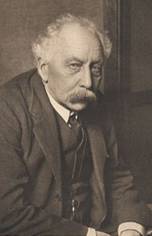 19 Mar 2012: ...Whether the course of Evolution can at all reasonably be represented as an unpacking of an original complex.... — William Bateson (pictured), 1914.
Evolution: This View of Life, "an online general interest magazine in which all of the content is from an evolutionary perspective. It includes content aggregated from the internet, following the example set by the Huffington Post, as well as new content generated by our staff of editors and contributing authors in eleven subject areas: biology, culture, health, arts, technology, religion, politics, mind, economy, environment, and education," Binghamton University, NY, launched Feb 2012.
Ed Yong, "Yeast suggests speedy start for multicellular life" [html], doi:10.1038/nature.2012.9810, Nature, 16 Jan 2012.
10 Jan 2012: The mechanisms for this increase in complexity are incredibly simple, common occurrences — Geneticist Joe Thornton
Acquired Traits Can Be Inherited Via Small RNAs, Newswise, 5 Dec 2011.
Cells may stray from 'central dogma' by Erika Check Hayden, doi:10.1038/news.2011.304, NatureNews, online 19 May 2011.
Eric J. Hayden et al., "Cryptic genetic variation promotes rapid evolutionary adaptation in an RNA enzyme" [abstract], doi:10.1038/nature10083, p92-95 v474, Nature, 2 Jun 2011.
Jeremy A. Draghi and Joshua B. Plotkin, "Molecular evolution: Hidden diversity sparks adaptation" [html], doi:10.1038/474045a, p45-46 v474, Nature, 2 Jun 2011.
18 Apr 2011: Natural selection eliminates and maybe maintains, but it doesn't create — Lynn Margulis
11 Jan 2011: Anomalies in mainstream evolutionary theory have prompted a major amendment to darwinism.
Michael W. Gray et al., "Irremediable Complexity?" [summary], doi:10.1126/science.1198594, p920-921 v330, Science, 12 Nov 2010. "Much of the bewildering intricacy of cells could consist of originally fortuitous molecular interactions that have become more or less fixed by constructive neutral evolution."
Carl Zimmer, "Scientists Square Off on Evolutionary Value of Helping Relatives" [link], The New York Times, 30 Aug 2010.
13 Jun 2010: What Darwin Got Wrong by Jerry Fodor and Massimo Piattelli-Palmarini [book review].
12 Apr 2010: Stan Franklin forwards Michael Ruse's book review and we reply.
Bob Grant, "Should Evolutionary Theory Evolve?" [link], p24 v24, TheScientist, 01 Jan 2010.
Hubertus J. E. Beaumont et al., "Experimental evolution of bet hedging" [abstract], doi:10.1038/nature08504, p90-93 v462, Nature, 5 Nov 2009.
Ratchet-like genetic mutations make evolution irreversible, University of Oregon, 23 Sep 2009.
14 Sep 2009: If we didn't know about life we wouldn't believe it — Richard Dawkins.
After dinosaurs, mammals rise but their genomes get smaller, Indiana University News Room, 27 Jul 2009.
25 Jul 2009: Spermatozoa of all species can take up exogenous DNA or RNA molecules and internalize them into nuclei.
23 Jul 2009: Primate-specific genes were inserted de novo, not generated by gradual divergence from non-primate genes.
The Deep Metazoan Phylogeny Project
Joram Piatigorsky, Gene Sharing and Evolution: The Diversity of Protein Functions, Harvard University Press, 2007.
16 Mar 2009: ...gene transfers of various types... and other forms of acquisition of 'foreign genomes' ...are more important....— Lynn Margulis
Henry Gee, Rory Howlett and Philip Campbell, "15 Evolutionary Gems" [17-page PDF], doi:10.1038/nature07740, Nature.com, online Jan 2009.
Sergey Kryazhimskiy and Joshua B. Plotkin, "The Population Genetics of dN/dS" [article], doi:10.1371/journal.pgen.1000304, 4(12): e1000304, PLoS Genetics, online 12 Dec 2008.
Daniel G. Gibson et al., "One-step assembly in yeast of 25 overlapping DNA fragments to form a complete synthetic Mycoplasma genitalium genome" [Open Access abstract], doi:10.1073/pnas.0811011106, p 20404-20409 v 105, Proc. Natl. Acad. Sci. USA, 23 Dec (online 10 Dec) 2008.
27 Nov 2008: The discovery answers an age-old question that has puzzled biologists since the time of Darwin....
Andrew L. Hufton et al., "Early vertebrate whole genome duplications were predated by a period of intense genome rearrangement" [abstract], doi:10.1101/gr.080119.108, p 1582-1591 v 18, Genome Research, online 17 Sep 2008.
Elizabeth Pennisi, "Deciphering the Genetics of Evolution" [link], doi:10.1126/science.321.5890.760, p 760-763 v 321, Science, 8 Aug 2008. "Powerful personalities lock horns over how the genome changes to set the stage for evolution."
Ben-Yang Liao and Jianzhi Zhang, "Null mutations in human and mouse orthologs frequently result in different phenotypes" [abstract], doi:10.1073/pnas.0800387105, p 6987-6992 v 105, Proc. Natl. Acad. Sci. USA, 13 May (online 5 May) 2008. "...We find that >20% of human essential genes have nonessential mouse orthologs."
Todd A. Sangster et al., "HSP90-buffered genetic variation is common in Arabidopsis thaliana" [abstract], doi:10.1073/pnas.0712210105, Proc. Natl. Acad. Sci. USA, online 19 Feb 2008. "...HSP90 is likely to occupy a central position in the translation of genotypic variation into phenotypic differences."
Todd A. Sangster et al., "HSP90 affects the expression of genetic variation and developmental stability in quantitative traits" [abstract], doi:10.1073/pnas.0712200105, Proc. Natl. Acad. Sci. USA, online 19 Feb 2008.
Shocking Evolution Into Action, by Nicole Giese, Whitehead Institute for Biomedical Research, 18 Feb 2008 | also on Newswise.com. "The abundance of naturally occurring genetic variation that is affected by Hsp90 was remarkable."
Inheritance via RNA is the subject of a Reply from Stan Franklin, 4 Jan 2008.
Committee on Revising Science and Creationism, Science, Evolution, and Creationism [link], ISBN: 0-309-10587-0, National Academies Press, 2008.
19 Dec 2007: The ancestor of earthly life was molecularly complex.
Anthony Poole and David Penny, "Eukaryote evolution: Engulfed by speculation" [text], 10.1038/447913a, p 913 v 447, Nature, 21 Jun 2007. "The onus is on proponents, not sceptics, to find evidence for their theories."
Exploring the Dark Matter of the Genome, Physorg.com, 15 Jun 2007.
Rajkumar Sasidharan and Cyrus Chothia, "The selection of acceptable protein mutations" [abstract], 10.1073/pnas.0703737104, Proc. Natl. Acad. Sci. USA, online 31 May 2007. "This work implies that commonly allowed mutations are selected by a set of general constraints that are well defined and whose nature varies with divergence."
Jicheng Wang et al., "Evidence for mutation showers" [abstract], 10.1073/pnas.0610902104, Proc. Natl. Acad. Sci. USA, online 7 May 2007.
Suzanne Estes and Stevan J. Arnold, "Resolving the Paradox of Stasis: Models with Stabilizing Selection Explain Evolutionary Divergence on All Timescales" [abstract | 18-page PDF], doi:10.1086/510633, p 227-244 v 169, The American Naturalist, Feb (online 4 Jan) 2007. Also see commentary:
Andrew Hendry, "The Elvis paradox" [PDF], doi:10.1038/446147a, p 147-149 v 446, Nature, 8 Mar 2007.
Jun Gojobori et al., "Adaptive evolution in humans revealed by the negative correlation between the polymorphism and fixation phases of evolution" [abstract], 10.1073/pnas.0605565104, Proc. Natl. Acad. Sci. USA, online 26 Feb 2007.
No Missing Link? Evolutionary Changes Occur Suddenly, Professor Says, ScienceDaily.com, 12 Feb 2007.
Scientists Discover Parallel Codes In Genes, ScienceDaily.com, 9 Feb 2007.
Genetic information: Codes and enigmas, doi:10.1038/444259a, by Helen Pearson, News@Nature.com, online 15 Nov 2006.
Christopher D Herring, Anu Raghunathan, Christiane Honisch et al., "Comparative genome sequencing of Escherichia coli allows observation of bacterial evolution on a laboratory timescale" [abstract], 10.1038/ng1906, Nature Genetics, online 5 Nov 2006. "We obtained proof that the observed spontaneous mutations were responsible for improved fitness by creating single, double and triple site-directed mutants...."
Orkun S. Soyer and Sebastian Bonhoeffer, "Evolution of complexity in signaling pathways" [abstract], 10.1073/pnas.0604449103, Proc. Natl. Acad. Sci. USA, online 23 Oct 2006. "...Pathways could be driven toward complexity via simple evolutionary mechanisms...."
3 Oct 2006: Can plants overwrite unhealthy genes?
P M Brakefield and V French, "Evo-devo focus issue: Editorial" [text], 10.1038/sj.hdy.6800878, p 137-138 v 97, Heredity, Sep 2006. "...The basic mechanisms of embryonic development are extremely ancient and have been highly conserved.... Evo-devo... should continue to reveal how genetic change in the processes of development can lead to the abundant diversity in form that we observe in nature."
7 Jun 2006: Blowflies were preadapted for the rapid evolution of insecticide resistance.
Daniel M. Weinreich et al., "Darwinian Evolution Can Follow Only Very Few Mutational Paths to Fitter Proteins" [abstract], p 111-114 v 312, Science, 7 Apr 2006. About optimization: 5 certain a-a substitutions could theoretically be reached 5!=120 ways, but only 10 of them are likely to be permitted by natural selection.
T. Martin Embley1 and William Martin, "Eukaryotic evolution, changes and challenges" [abstract], p 623-630 v 440, Nature, 30 Mar 2006.
19 Feb 2006: Why has there has been so little change in major body plans since the Early Cambrian?
14 Feb 2006: Researchers evolve a complex genetic trait in the laboratory?
5 Jan 2006: "Evolution in Action" was the number one "Breakthrough of the Year" according to Science.
31 Oct 2005: The Plausibility of Life: Resolving Darwin's Dilemma, by Marc W. Kirschner and John C. Gerhart, Yale University Press, 2005.
30 Sep 2005: The chimp genome has been sequenced. At least seventeen human genes contain exons missing in chimps.
Could evo-devo account for genetic novelty? Stan Franklin wonders, 25 Jul 2005.
14 Jul 2005: The World Summit on Evolution in the Galapagos Islands, 8-12 June 2005.
University of Chicago study overturns conventional theory in evolution, by Catherine Gianaro, EurekAlert!, 7 Jun 2005.
Alarm pheromone causes aphids to sprout wings, by Lynne Miller, EurekAlert!, 18 May 2005.
Tohru Sugawara et al., "Parallelism of amino acid changes at the RH1 affecting spectral sensitivity among deep-water cichlids from Lakes Tanganyika and Malawi" [abstract], p 5448-5453 v 102, Proc. Natl. Acad. Sci. USA, 12 Apr 2005. "...The number of genetic changes underlying the appearance of similar traits in cichlid diversification may be fewer than previously expected."
24 Mar 2005: Plants can overwrite unhealthy genes.
15 Mar 2005: "Biology today is no more fully understood in principle than physics was a century or so ago."
Andrew P. Hendry, "The power of natural selection," p 694-695 v 433, Nature, 17 Feb 2005. "We are only deluding ourselves that we have a good handle on the typical power of selection in nature."
16 Feb 2005: Fitness Landscapes.
I King Jordan et al., "A universal trend of amino acid gain and loss in protein evolution" [abstract], doi:10.1038/nature03306, p 633-638 v 433, Nature, 10 Feb 2005.
4 Feb 2005: Ernst Mayr died yesterday at 100 years of age.
H. Allen Orr, "The Genetic Theory of Adaptation: A Brief History" [open access], doi:10.1038/nrg1523, p 119-127 v 6, Nature Reviews Genetics, Feb 2005. Our comment — adaptation has a very short reach.
Rachel B. Brem and Leonid Kruglyak, "The landscape of genetic complexity across 5,700 gene expression traits in yeast" [abstract], 10.1073/pnas.0408709102, Proc. Natl. Acad. Sci. USA, online 19 Jan 2005. "Most detected QTLs (quantitative trait loci) have weak effects."
Kenneth M. Weiss and Anne V. Buchanan, Genetics and the Logic of Evolution, ISBN: 0471238058, Wiley-Liss (John Wiley and Sons, Inc.), 9 Jan 2004.
21 Nov 2004: Vertebrate photoreceptor cells in a primitive invertebrate.
14 Nov 2004: The birth of a new gene unique to apes and humans....
Sinéad Collins and Graham Bell, "Phenotypic consequences of 1,000 generations of selection at elevated CO2 in a green alga," p 566 - 569 v 431 Nature, 30 Sep 2004. "...Selection lines of the unicellular green alga Chlamydomonas failed to evolve specific adaptation to a CO2 concentration of 1,050 parts per million."
Emma Marris, "Tibetans show 'evolution in action'" [story], 10.1038/news040913-20, News@nature.com, 16 Sep 2004. "A gene for well oxygenated blood is spreading in the Himalayas." (Once a gene is available, natural selection works on it.)
Flies with inner ears? by David Secko, The Scientist, 13 Sep 2004. "...The gene could direct the development of an organ it does not even possess."
25 Jul 2004: 100 years old, Ernst Mayr reviews the development evolutionary thought in Science.
David J. Amor et al., "Human centromere repositioning 'in progress'" [abstract], p 6542-6547 v 101, Proc. Natl. Acad. Sci. USA, 27 Apr 2004.
The Most Natural Selection, by Steven Kotler, LA Weekly, 18 Apr 2004. If evolution rewards only reproductive success, why does homosexuality persist?
16 Apr 2004: The rat genome has been sequenced.
14 Apr 2004: "Can we ever hope to pin down the genetic changes that underlie the big steps in evolution?"
24 Feb 2004: Evolution caught in the act?
Erik R. Zinser et al., "Bacterial Evolution Through the Selective Loss of Beneficial Genes: Trade-Offs in Expression Involving Two Loci" [abstract], p 1271-1277 v 164, Genetics, August 2003. Adaptation by gene loss can happen a third way.
2003, August 29: "...We must conclude that there are no detailed Darwinian accounts..." (Franklin M. Harold, 2001).
Redundant Evolution, by Leslie Mullen, Astrobiology Magazine, 28 Apr 2003.
2003, April 16: Point mutations are less important than rearrangements of longer DNA strands in evolution....
A new branch on the tree of life, by Lynn Yarris, ScienceBeat, 4 Apr 2003. "Nature, it seems, found two different ways to evolve six legs."
2003, March 25: Here Be Dragons, by David W. Koerner and Simon Levay.
2003, March 3: What Evolution Is, by Ernst Mayr.
Testing Darwinism versus Cosmic Ancestry — a new CA webpage, 24 Nov 2002.
Steve Olson, "Seeking the Signs of Selection" [summary], p 1324-1325 v 298, Science, 15 Nov 2002.
Fossil protein breakthrough will probe evolution, by Fred Pearce, NewScientist.com, 13 Nov 2002. "...Osteocalcin can survive ...long enough to look back ...to the last common ancestor of humans and chimpanzees."
Paul Raeburn, "'Of Moths and Men': The Moth That Failed" (book review) [text], The New York Times, 25 Aug 2001.
Fossils Help Determine When Humans, Apes Diverged, nationalgeographic.com, 23 Aug 2002. "The gene,... was mutated (knocked out) in humans in comparison with the normal, intact gene in apes."
2002, July 14: Mouse vs Human
2002, Jul 7: Acquiring Genomes.
Science Mimicking, Perhaps Even Predicting, Evolution — about basic research that supports Darwinism, by Jonathan Sherwood, UniSci.com, 21 Mar 2002.
2002, Mar 2: Correction.
2002, Feb 8: Biologists demonstrate macroevolution and thus answer a major challenge to darwinism by creationists.
2001, December 21: A gene needed for multcellularity is present in a single-celled organism.
Squirrels 'genetically altered' by forest. Actually they were altered by genes acquired from other squirrels. BBCNews, 21 Sep 2001.
Donald R. Forsdyke, The Origin of Species, Revisited [contents, publisher's promo], McGill-Queen's University Press, 2001.
2001, May 28: Eukaryote-to-prokaryote evolution in 15 days?!
2000, December 26: An email to Massimo Pigliucci recaps the argument against Darwinism.
2000, December 15: Mutation appears to double lifespan of flies.
2000, November 23: Monad to Man, by Michael Ruse, about evolutionary progress.
2000, September 27: Prions can turn on genetic programs.
1999, July 15: A recent issue of Science features evolution.
1999, June 3: Example of microevolution.
1998, August 25: We owe the repertoire of our immune system to one transposon insertion, which occurred 450 million years ago in the ancestor of the jawed fishes.
Was Darwin Wrong? The critics of evolution. Links to even-handed book reviews by Gert Korthof. The reviews have further links.
The Tree of Life: an excellent growing illustrated resource on the classifications of life.
Enter Evolution: Theory and History. Evolutionary scientists before Darwin, from UC Berkeley.
Evolution, Science, and Society: a "white paper" on behalf of the field of evolutionary biology [Executive Summary] by Douglas J. Futuyma et al., revised Mar 1997.
References
Science's authority as a reliable form of knowledge typically presupposes that the findings of its practitioners are more the result of individual discovery than collective invention. If discoveries converge upon a more general pattern of thought, then that must be the result of reality "pulling" in that direction, and not of disciplinary norms "pushing" scientists that way. But given that scientists so rarely break rank with disciplinary norms — and quickly close ranks against those who do — how can one tell whether convergence is being pushed or pulled? — Steve Fuller (29)
1. Francisco J. Ayala and Theodosius Dobzhansky, eds. Studies in the Philosophy of Biology: Reduction and Related Problems. University of California Press 1974. p 364.
1.5. Jerry Fodor. "Why Pigs Don't Have Wings" [link], London Review of Books, 18 Oct 2007.
2. Lynn Margulis, [interviewed in] The Third Culture by John Brockman, Simon and Schuster, 1995. p 133.
3. Richard Dawkins, River Out of Eden, BasicBooks, 1995. p 70.
3.5. Michael T. Madigan, John M. Martinko and Jack Parker, Brock Biology of Microorganisms, eighth edition, Prentice Hall, 1997. p 332.
4. Renato Dulbecco, The Design of Life, Yale University Press, 1987. p 122.
4.5. Walter M. Fitch, Robin M. Bush, Catherine A. Bender and Nancy J. Cox, "Long term trends in the evolution of H(3) HA1 human influenza type A," p 7712-7718 v 94, Proc. Natl. Acad. Sci. USA, July 1997.
5. Manfred Eigen, "New Concepts for Dealing with the Evolution of Nucleic Acids," p 307-320, Cold Spring Harbor Symposia on Quantitative Biology, Volume LII: Evolution of Catalytic Function, Cold Spring Harbor Laboratory, 1987.
6. Liangbiao Chen, Arthur L. DeVries and Chi-Hing C. Cheng. "Evolution of antifreeze protein from a trypsinogen gene in Antarctic notothenioid fish" [abstract], p 3811-3816 v 94, Proc. Natl. Acad. Sci. USA, April 1997.
7. John M. Logsdon, Jr., and W. Ford Doolittle. "Origin of antifreeze protein genes: A cool tale in molecular evolution" [text], p 3485-3487 v 94, Proc. Natl. Acad. Sci. USA, April 1997.
8. Liangbiao Chen, Arthur L. DeVries and Chi-Hing C. Cheng, "Convergent evolution of antifreeze glysoproteins in Antarctic notothenioid fish and Arctic Cod" [abstract], p 3817-3822 v 94, Proc. Natl. Acad. Sci. USA, April 1997.
9. Paul Feyerabend, Against Method. London: Verso Publishing, 1978. p 60.
10. Charles Darwin, The Origin of Species, 6th edition, 1872; Down, England: Senate, 1994. p 146. The text of the first edition is available on the Internet: On the Origin of Species by Means of Natural Selection, or the Preservation of Favoured Races in the Struggle for Life. London: John Murray, Albemarle Street, 1859.
11. Samuel A. Bowring, John P. Grotzinger, Clark E. Isachsen, Andrew H. Knoll, Shane M. Pelechaty and Peter Kolosov, "Calibrating Rates of Early Cambrian Evolution," p 1293-1298 v 261, Science, 3 September 1993.
12. Stephen Jay Gould, Wonderful Life: The Burgess Shale and the Nature of History, W.W. Norton and Company, 1989.
13. Madeleine J. Nash, "When Life Exploded," p 66-74, Time, 4 December 1995.
14. J.B.S. Haldane, On Being the Right Size and other essays, John Maynard Smith, ed., Oxford University Press, 1987. Includes the essay, "The Origin of Life," 1928. p 12.
15. Richard Dawkins, "The eye in a twinkling" p 690-691 v 368, Nature, 21 April 1994.
16. Georg Halder, Patrick Callaerts and Walter J. Gehring, "Induction of Ectopic Eyes by Targeted Expression of the eyeless Gene in Drosophila" [abstract], p 1788-1792 v 267, Science, 24 March 1995.
17. Constance Holden, "On the Path of the Primordial Eye" [html], p 1885 v 275, Science, 28 March 1997.
18. John Travis, "Eye-opening Gene: How many times did eyes arise?" in ScienceNewsOnline. 10 May 1997.
19. T.A. Brown, Genetics: A Molecular Approach, 2nd edition, Chapman and Hall, 1992. p 171.
20. Justin Goodrich, Preeya Puangsomlee, Marta Martin, Deborah Long, Elliot M. Meyerowitz and George Coupland, "A Polycomb-group gene regulates homeotic gene expression in Arabidosis," p 44-51 v 386, Nature, 6 March 1997.
20.5. Robert Macchiarelli "The whole tooth" [interview], p 349 v 425, Nature, 25 Sep 2003.
21. Natalie Angie, "When Evolution Creates the Same Design Again and Again," The New York Times, December 15, 1998.
22. Natalie Angie, "When Evolution Creates the Same Design Again and Again," The New York Times, December 15, 1998.
23. Neil A. Campbell, Biology, 3rd Edition, The Benjamin/Cummings Publishing Company, Inc., 1993. p G17-G18.
24. Ernst Mayr, Toward a New Philosophy of Biology: Observations of an Evolutionist, Harvard University Press, 1988. p 402.
25. KS Dulai, M von Dornum, JD Mollon and DM Hunt, "The evolution of trichromatic color vision by opsin gene duplication in New World and Old World primates," p 629-638 v 9 n 7, Genome Research, July 1999.
26. Shozo Yokoyama, Huan Zhang, F. Bernhard Radlwimmer and Nathan S. Blow, "Adaptive evolution of color vision of the Comoran coelacanth (Latimeria chalumnae)" [abstract], p 6279-6284 v 96, Proc Natl Acad Sci USA, 25 May 1999. Also duscussed in "What'sNEW," 3 June 1999.
27. Karl R. Popper, "Two Faces of Common Sense..." p 32-105, Objective Knowledge: An Evolutionary Approach, Oxford University Press, 1972. p 69.
28. Robert Rosen, Life Itself: A Comprehensive Inquiry Into the Nature, Origin and Fabrication of Life, Columbia University Press, 1991. p 255.
29. Steve Fuller, Science, ISBN:9780816631254, University of Minnesota Press, 1998. p 18.